Similar Posts

Coroners in Australia
Finding out why a person has died, described in modern times as finding the ‘manner and cause’ of death has been the role of a coroner at least since the thirteenth century.
Their role has changed in the last century, with a greater focus on the growing relevance of death prevention and coronial recommendations. Governments have found this role particularly uncomfortable because it can expose obvious failures and require reform of systems.

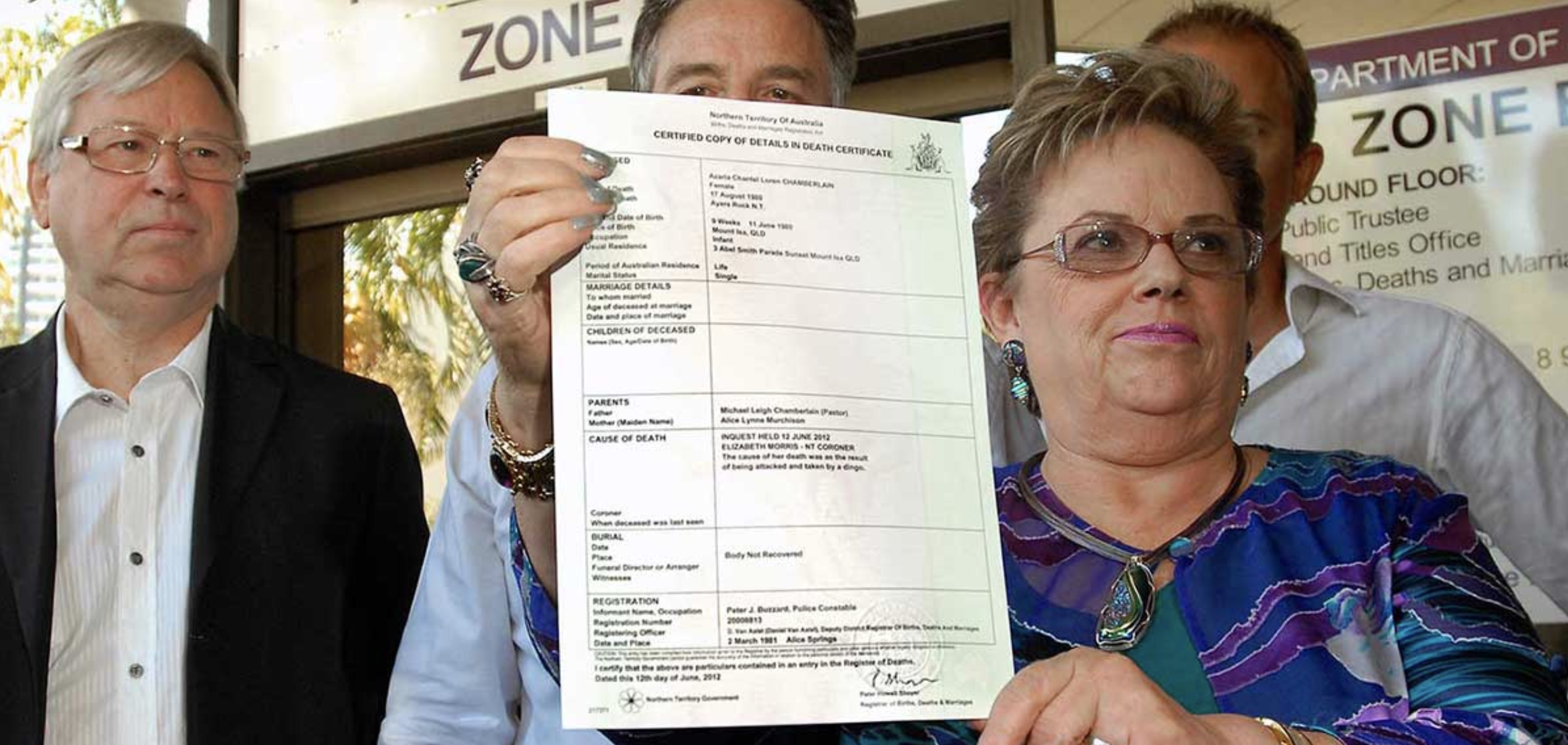
Media Reports – Lindy Chamberlain
The media has followed the case since its inception. While the earlier reports were demonising, the later scientific evidence has raised the obvious question – did the court get it wrong? This question is not only raised in the Australian…

When the Law Leaves You Between Two Worlds: The International Student and the Injustice of Uncertainty
Summary Australia’s international student system is built on temporary migration, and studying here does not create an entitlement to permanent residence. Yet for many students, years spent studying, working and building connections in Australia create a growing divide between legal…
Articles | Crime | Fundamental Legal Rights | Law | Trials
The Ziggy Pohl Case
Political prosecutions are commonplace in authoritarian jurisdictions but they seen more in democracies now too. Their existence is a major problem and represent a crime against democracy.
Kathleen Folbigg – Granted an Unconditional Pardon
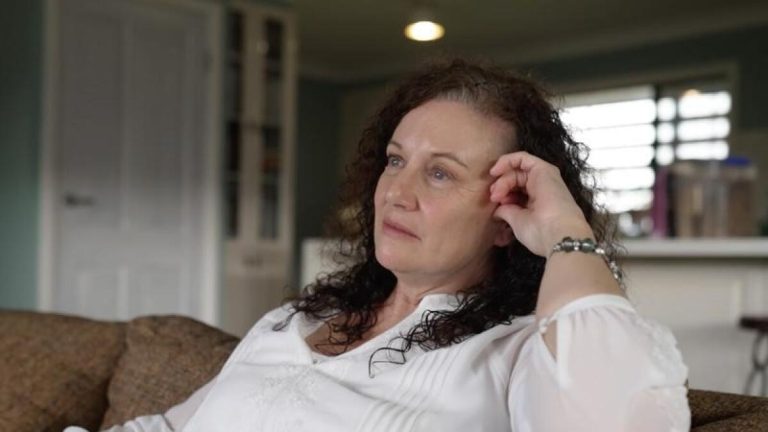
On Monday this week, the Attorney General, Michael Davies, issued an unconditional pardon and immediately released Ms Folbigg from prison. Ms Folbigg had been incarcerated for 20 years after being convicted for killing each of her four children. She has…
The Use of Fear to Achieve Compliance and the Acceptance of Injustice
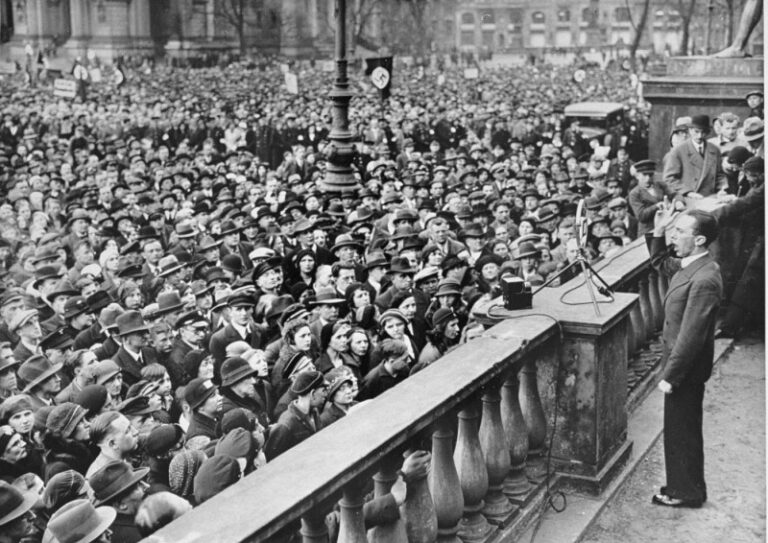
We are physiologically ‘designed’ to feel and respond to fear. Almost universally, we use fear in our interactions with others. However, it is also a tool for politicians to ensure the population remains complaint and accepts injustice.