
Similar Posts
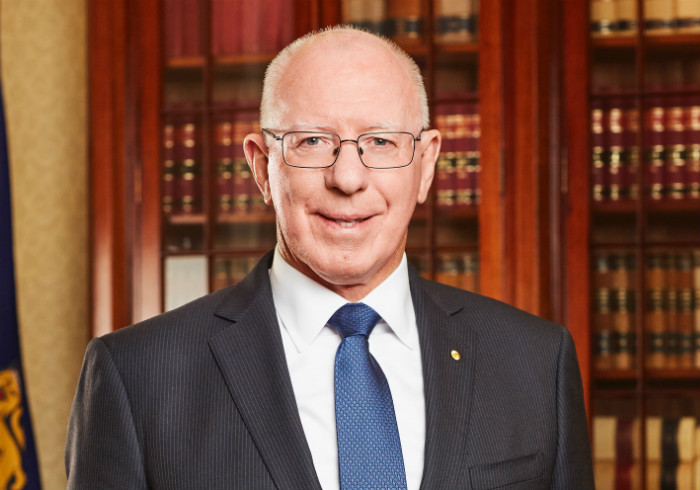
Petition to Governor For Review
A petition was signed on May 26 2015 and delivered to the Governor of NSW asking for the case to be reviewed. The petition is presented below in full.

The Mad, the Bad and The Sad: They All Deserve Some Compassion
Prisoners are often categorised as either mad, bad or sad. What does this mean really and should compassionate treatment be available to all prisoners?

The Use of Fear to Achieve Compliance and the Acceptance of Injustice
We are physiologically ‘designed’ to feel and respond to fear. Almost universally, we use fear in our interactions with others. However, it is also a tool for politicians to ensure the population remains complaint and accepts injustice.

Press Release | One Year On and Still No Answer From the NSW Attorney General
The Australian Academy of Science issues a press release on March 5, 2022. You can see the original here. https://vimeo.com/518533234 “Respect the scientific and medical evidence that provide ample justification for the pardon of Kathleen Folbigg and demonstrate that…

Profiteering From Offshore Detention
Offshore detention has been a policy of the Australian government since the Howard years. Mark Basa is currently held on Christmas Island – but how much does offshore detention cost and who profits from it. The Guardian recently published an article about the company that manages the detention centre on Nauru.

Grounds and Submissions Supporting Pardon Petition Kathleen Folbigg
Read the complete copy of the grounds and submissions supporting the pardon petition for Kathleen Folbigg